How to reduce PDF file size
What actually makes a PDF smaller, why some files barely shrink at all, and how to compress one without wrecking the text.
To reduce a PDF's file size, open Compress PDF, drop the file in, pick Low, Medium or High, and click Compress. It re-encodes the JPEG images inside your document on your device and reports how many it actually changed — which is the number that tells you whether it worked.
A PDF that will not fit an upload limit is almost always a PDF full of photographs. This matters more than it sounds, because it decides whether compression will do anything for you at all.
The short version, because it decides whether this tool can help you at all: text is stored as instructions and costs almost nothing, photographs are stored as pixels and cost a great deal. So "compress this PDF" nearly always means "re-compress the images inside it" — and if there are none, there is nothing to squeeze. Why your PDF is 40MB goes into where the weight actually comes from.
Compress a PDF
Upload the file
Drop in your PDF. Its current size is shown so you have something to compare against.
Choose a level
Low stays close to the original. High shrinks hardest with visible quality loss. Medium is the sane default.
Compress
Each embedded photograph is re-encoded at a lower quality and resolution, on your device.
Check the result
The new size appears next to the old one, along with how many images were actually recompressed.
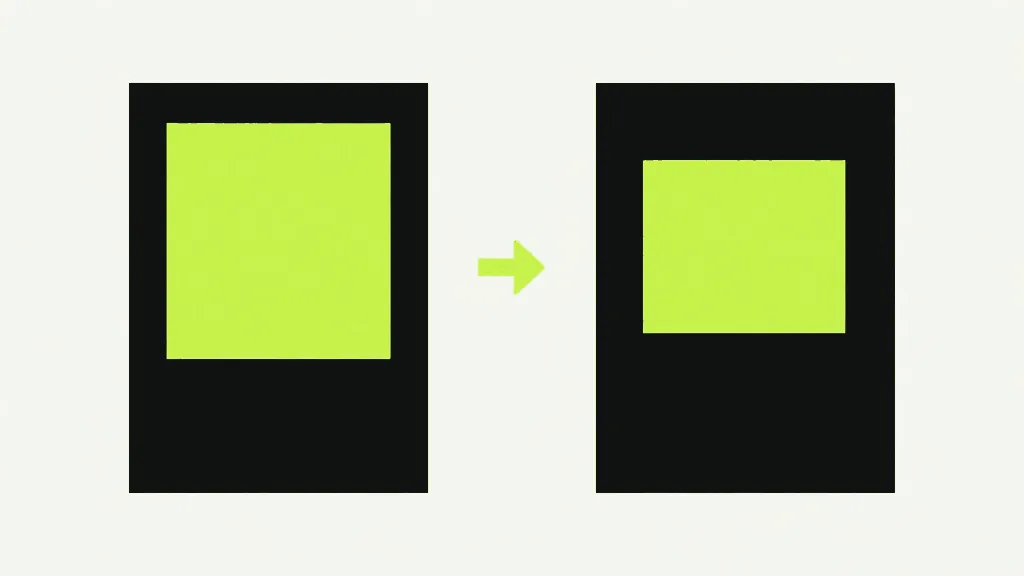
Why did my file barely shrink?
Because it had nothing to compress. A contract, an invoice or a report is text and vector graphics — already about as small as it gets. Our tool tells you how many images it recompressed, so "0 images" is your answer rather than a mystery. Any tool promising a dramatic reduction on a text-only PDF is either rasterising your pages into pictures or rounding up.
What stays sharp
- Text and vector graphics are never touched, at any compression level — they stay crisp.
- Only images stored as standard JPEG are re-encoded; other encodings are left alone rather than risked.
- A JPEG with a transparency mask, or in CMYK colour, is skipped on purpose — re-encoding would flatten the one and mangle the other — and the tool counts what it left alone.
- An image is only replaced if the new version is genuinely smaller, so compression never inflates part of your file.
If the goal is a smaller file for emailing a scan, High is usually fine — screen reading hides a lot. If it is going to print, stay at Low or Medium.