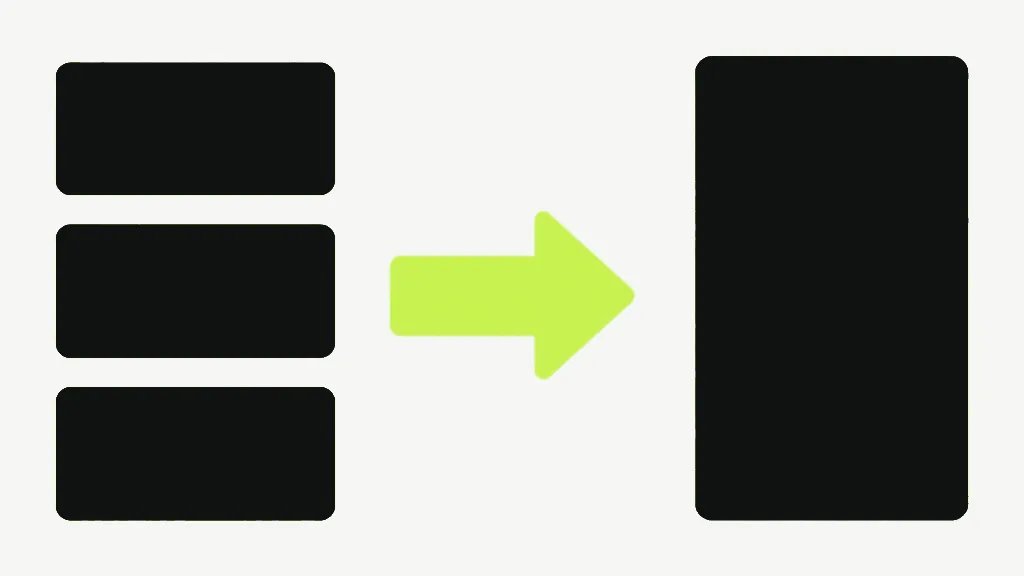
How to compress a PDF on Mac — beyond Preview's one setting
To compress a PDF on a Mac, open Compress PDF in any browser, drop the file in, pick Low, Medium or High, and click Compress. It re-encodes the embedded JPEG photos on your Mac and reports how many it changed — nothing is uploaded.
The Mac already ships with a PDF compressor, and for most files it is the right first stop. Open the PDF in Preview, choose File then Export, and pick Reduce File Size from the Quartz Filter menu. The catch is the one thing that menu does not offer: a choice about how hard to compress. It is a single fixed setting, and when the result comes back too soft or too destructive, there is no dial to turn.
How do I compress a PDF on a Mac?
Two ways, both free and both staying on your Mac. Preview's Quartz filter — File, Export, Reduce File Size — is built in and instant. When it over-compresses your images or barely shrinks the file, open Compress PDF in any browser and pick a level, Low, Medium or High, for the control Preview does not give you.
Open the file
Drop your PDF into Compress PDF. Its current size is shown, so you have a baseline to compare Preview's result against.
Pick a level
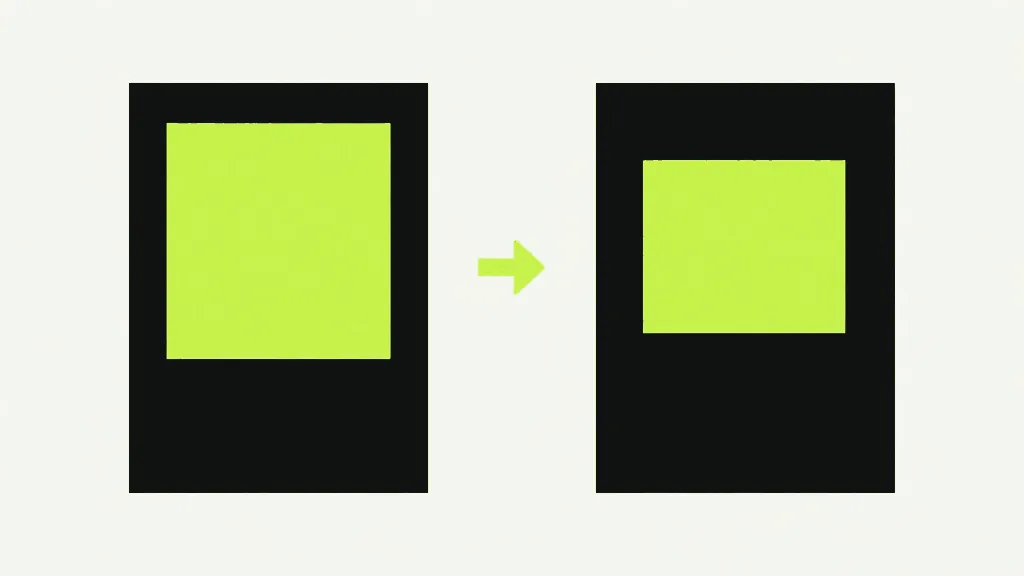
Low stays closest to the original, High shrinks hardest, Medium sits between. This is the choice Preview's single Reduce File Size setting never offers.
Compress
Each embedded JPEG is redrawn through your browser's own canvas at the level you chose. The text and vector graphics are passed through untouched.
Check what changed
The new size appears beside the old one, with a count of how many images were actually recompressed — so you know whether it did anything, not just that it saved a file.
Why will my PDF file size not reduce on Mac?
Usually because there are no photographs to squeeze. Compression only re-encodes images; text and vector graphics are stored as instructions and are already about as small as they get. A contract or an invoice holds no images, so Preview and any other tool barely move it — which is where a PDF's weight usually is not.
Preview can also make a file bigger. Its Quartz filter re-encodes every image at its own fixed quality, and on a file that was already efficient the new version can come out larger — which is why "Reduce File Size not working" is a search of its own. Compress PDF guards against that directly: it swaps in a re-encoded image only when the new one is genuinely smaller, so it can never inflate part of your file, and it counts what it changed and what it left alone, so a file that barely moves is an answer rather than a mystery.
How can I compress a PDF to a specific size?
No Mac tool hits an exact target on the first try — not Preview, not a browser tool — because compression works on image quality, not a byte count. The workable method is to pick a level, read the before-and-after sizes the tool shows you, and step up a level if it is still too big. Low caps each image's longest side at 2200 pixels, Medium at 1600, High at 1100, so each step is a real, predictable jump you can aim with.
What is the best free PDF compressor for Mac?
It depends on which trade-off you can live with. Preview is free, built in, and keeps your file on the Mac, but hands you no control. The free online compressors, Adobe's among them, give you control by uploading your file to their servers. Compress PDF is the third option: free, no account, level control, and the whole re-encode runs in your browser tab, so the file never leaves your Mac.
The gentlest-loss walkthrough is how to compress a PDF without losing quality; the plain, no-Preview version is how to reduce PDF file size. The short answer to Preview versus a browser tool: Preview is faster to reach, and a tool with levels is easier to aim.