How to extract pages from a PDF in Adobe Acrobat — and free, without it
In Acrobat: All tools, then Organize pages, select the thumbnails, then Extract pages. The desktop tool is part of paid Acrobat, not the free Reader. Or extract pages free in your browser, with nothing uploaded and no account.
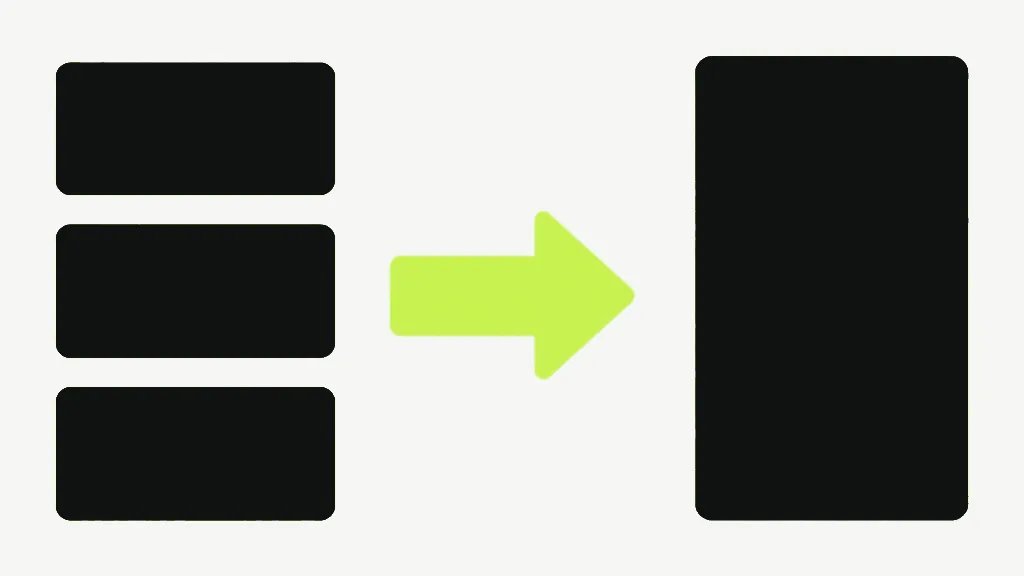
To extract pages from a PDF the way Adobe Acrobat does, without Acrobat, open Extract Pages, tap the pages you want, and click Extract. A new PDF of just those pages downloads. It runs in your browser, with nothing uploaded, no Adobe account and no subscription.
People look for this inside Acrobat because Acrobat is the app already on the work laptop, and its extract tool is good. The plain, no-Acrobat walkthrough of the browser tool is how to extract pages from a PDF. This page is about the Acrobat menus, why they are sometimes missing, and how its options map onto free tools.
How do I extract pages from a PDF in Adobe Acrobat?
Open the PDF in Acrobat and select All tools, then Organize pages. Click the page thumbnails you want, holding Shift for a run of pages or Ctrl (Command on a Mac) for scattered ones. Select Extract pages, pick any options, click Extract, and save the new file.
Why can’t I extract pages from a PDF in Adobe?
Usually because you have the free Adobe Reader. Organizing and extracting pages on the desktop is part of the paid Acrobat subscription, so Reader does not offer it. The other common cause is the redesigned interface, which moved the tool from the old Tools tab into All tools, then Organize pages.
A file that needs a password to open is the third cause. The browser tool turns it away with a message rather than producing a broken copy, so unlock it first. A file that opens fine but carries restricted permissions is decrypted and extracts normally.
Extract PagesPull selected pages out into a brand-new PDF.How do I extract just certain pages from a PDF for free?
Open Extract Pages in any browser, drop the PDF in, and tap each page tile you want to keep. The button counts your selection back, reading Extract 3 pages, and one new PDF downloads when you click it. Your original file is never changed.
Open Extract Pages
Go to Extract Pages. It runs on your device, with no install, no sign-in and nothing uploaded.
Tap the pages to keep
Drop in your PDF and tap each numbered tile you want in the new file. Select all and Clear are there for long documents.
Extract and download
Click Extract. A new PDF of only those pages downloads, named after your file with _extracted on the end, so lease.pdf becomes lease_extracted.pdf.
How can I extract separate pages from a PDF file?
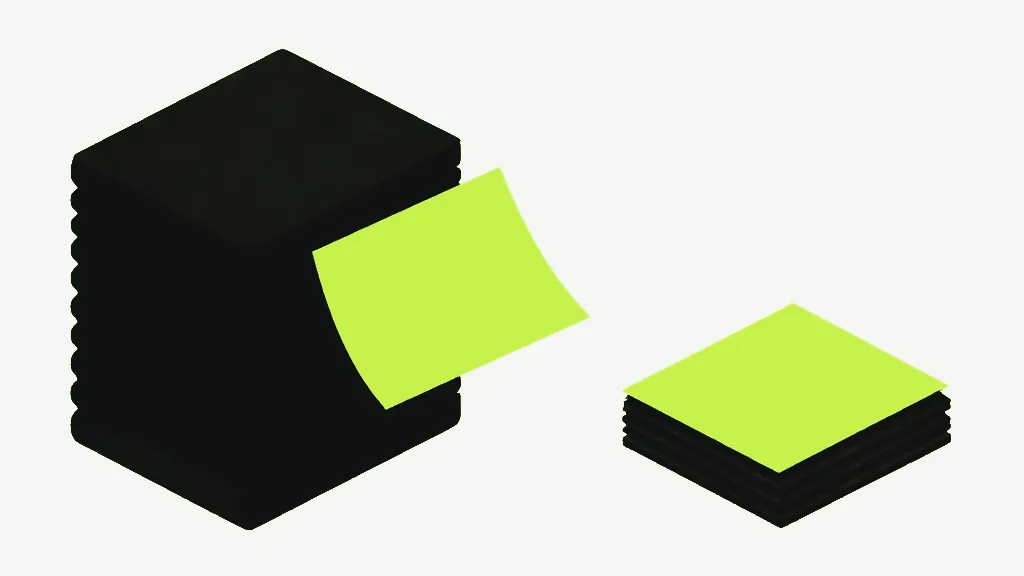
In Acrobat, tick Extract pages as separate files before you click Extract, and each selected page saves as its own PDF. Extract Pages always gives you one file. For one PDF per page, use Split PDF set to every 1 page, which downloads the pieces together as a zip.
What is different about extracting in the browser?
Three things, all read from the tool’s code and checked against real output. First, pages come out in their original order, sorted ascending, whatever order you tapped them in. Tap page 5, then page 3, and the new file reads 3, then 5. To change the sequence, reorder the result in Organize Pages.
Second, there is no Delete pages after extracting option. Acrobat can cut the pages out of the original in the same step. The browser tool never touches your original, so if you also want those pages gone from it, run Delete Pages on the original as a separate step.
Third, the new file is built around the pages, so anything that belonged to the old document rather than to the pages stays behind. We extracted from a test file with a title, an author and a fillable field, then read the result with a different PDF library than the one that wrote it: the pages and their text were intact, while the title, the author and the field were gone. Bookmarks do not come across either. The pages themselves are copied exactly, not re-rendered, so text stays selectable and images keep their quality.
If you extracted a page from a fillable form and the boxes no longer take typing, that is why: the form fields belong to the document, not the page, and a new document starts without them. Flatten the form first if the filled-in values need to survive, then extract.